TL;DR | Sell on JD Step by Step
JD.com and JD Worldwide are major routes to reach Chinese consumers, with JD known for strong logistics and a high-trust shopping environment.
JD.com (domestic) focuses on China’s local market with faster delivery and deeper local infrastructure, while JD Worldwide is the cross-border route designed to help international brands sell imported products to Chinese consumers without needing a full domestic setup from day one.
To start selling, you’ll follow a structured process: prepare company and brand documents, submit the application, complete verification, then pay required fees before your store goes live.
On JD Worldwide, you can enter via the Supplier (B2B2C) model (lower operational workload, JD handles more sales/shipping/service, but it’s selective and often invitation-based) or by opening your own B2C store (more control, but requires deposits/fees/commission and stronger daily operations).
Eligibility determines which JD Worldwide store type you can apply for (Brand Flagship, Outlet-type Flagship, Franchised, or Exclusive), based on brand ownership/authorisation and trademark requirements.
Success depends on more than just opening a store: you need a clear logistics plan (bonded warehouse vs overseas shipping), Mandarin customer service, and a traffic strategy that combines platform ads with off-platform visibility such as WeChat, Baidu search, community forums, and influencer campaigns.
If you’re a business owner aiming to tap into the vast Chinese market, JD is an essential platform to consider. As the cross-border eCommerce division of JD.com, one of China’s largest online retailers, JD offers direct access to over 580 million active users monthly as of 2023.
The platform has rapidly become a go-to destination for Chinese consumers seeking high-quality international products, making it a prime opportunity for businesses looking to expand their reach in China.
In this guide, we’ll delve into the steps necessary to start selling on JD, along with critical insights and updates on the platform’s latest trends and requirements. By leveraging JD, you can strategically position your brand to meet the growing demand for international goods in China.
This guide is designed for international SMEs, DTC/eCommerce brands, distributors, and cross-border sellers who want a practical roadmap to launch on JD Worldwide and grow sales in China.
1. What is JD.com
JD is one of the largest online retailers in China, and its growth shows no signs of slowing down. Currently, the platform boasts over 580 million active users per month as of 2023, and its reach extends to 99% of the Chinese population. This makes selling on JD a strategic option for businesses looking to enter the Chinese market and expand their product reach across the country.
JD offers tremendous potential for companies aiming to enter the Chinese market. With its impressive expansion history and steady growth in profitability, JD has established itself as a giant in the eCommerce world.
Founded by Chinese internet entrepreneur Liu Qiandong, JD.com is headquartered in Beijing and is renowned for offering a vast selection of products and services across all major categories. In recent years, JD has expanded its operations internationally, attracting both foreign brands and Chinese consumers who seek high-quality products.
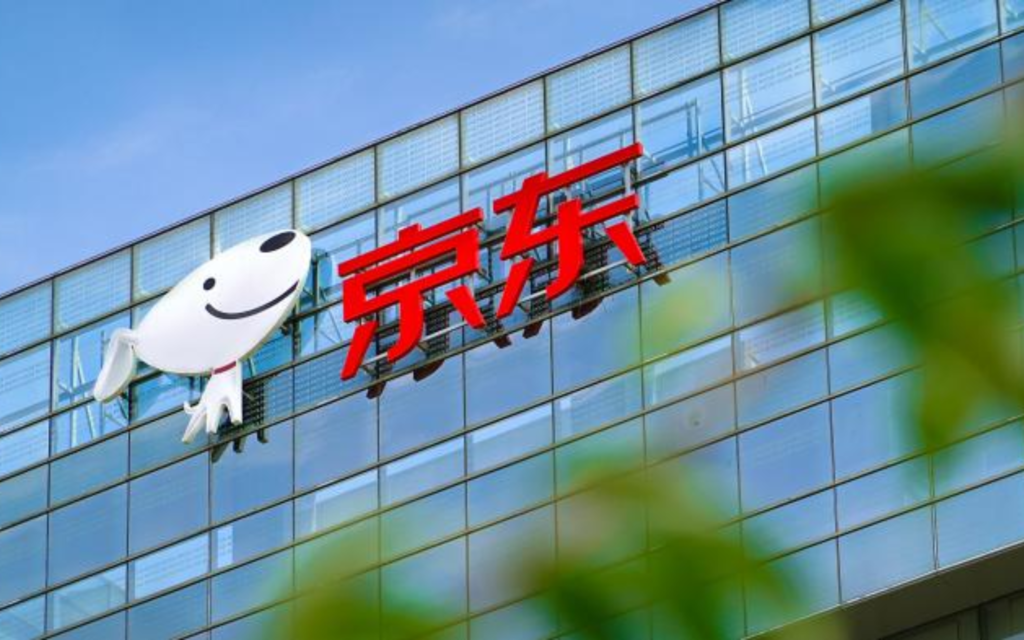
JD provides not only electronics and general merchandise like audio, video, and books but also enables companies to sell through JD Mall, its core eCommerce business. Additionally, the platform has diversified its offerings to include third-party logistics services, technology solutions, insurance, overseas operations, and O2O (online-to-offline) services.
Additionally, the platform has diversified its offerings to include third-party logistics services, technology solutions, insurance, overseas operations, and O2O (online-to-offline) services.
One of JD standout features is its ability to offer same-day or next-day delivery, ensuring a seamless shopping experience for consumers. While the platform is headquartered in Beijing, its operations now span more than 50 cities across China, providing broad and efficient geographical coverage.
As part of its “Retail as a Service” strategy, JD has begun opening its technology and infrastructure to brands, retailers, and other industries, thereby expanding the online shopping landscape for Chinese consumers. This strategy has allowed an increasing number of international brands to join the platform, taking advantage of the growing demand in China.
JD primarily targets quality-conscious consumers who are willing to pay a premium for reputable brands, after-sales service, and quality assurance. Some of the most popular products on the platform include infant formula and home appliances.
JD primarily targets quality-conscious consumers who are willing to pay a premium for reputable brands, after-sales service, and quality assurance.
JD is ideal for both local and international companies looking to reach high-income consumers in China and establish an early presence in this competitive market. With the continuous expansion of JD Worldwide, the opportunities for brands in China are vast and ever-growing.
2. JD.com vs JD Worldwide: What’s the Difference?
JD.com is a dominant player in China’s eCommerce landscape, but it operates through two distinct platforms: JD and JD Worldwide. While both are integral to the company’s overall strategy, they serve different purposes and audiences. Here’s a closer look at what each platform offers:
JD (Jingdong)
JD, also known as Jingdong, is one of China’s leading eCommerce platforms, renowned for its extensive infrastructure and rapid delivery services. JD operates more than 1,500 warehouses across China as of 2023, making it a logistical powerhouse capable of delivering approximately 90% of orders on the same day or the next day. This exceptional speed and efficiency have been central to JD’s success in the highly competitive Chinese market.
JD operates more than 1,500 warehouses across China as of 2023, making it a logistical powerhouse capable of delivering approximately 90% of orders on the same day or the next day.
JD is distinguished by having the most advanced eCommerce logistics network in China, and it’s the only platform globally to offer a combination of:
- Small and medium-sized warehousing
- Cross-border logistics
- Cold chain delivery services for perishable goods
- Facilities for frozen and refrigerated storage
- B2B in China logistics and crowdsourced delivery solutions
Despite challenges such as the COVID-19 pandemic and fluctuating government support, JD’s revenue has continued to rise. For instance, JD went public in 2014, raising $1.78 billion with an initial public offering (IPO) at $19 per share, a move that significantly boosted its financial resources for further expansion.
JD Worldwide
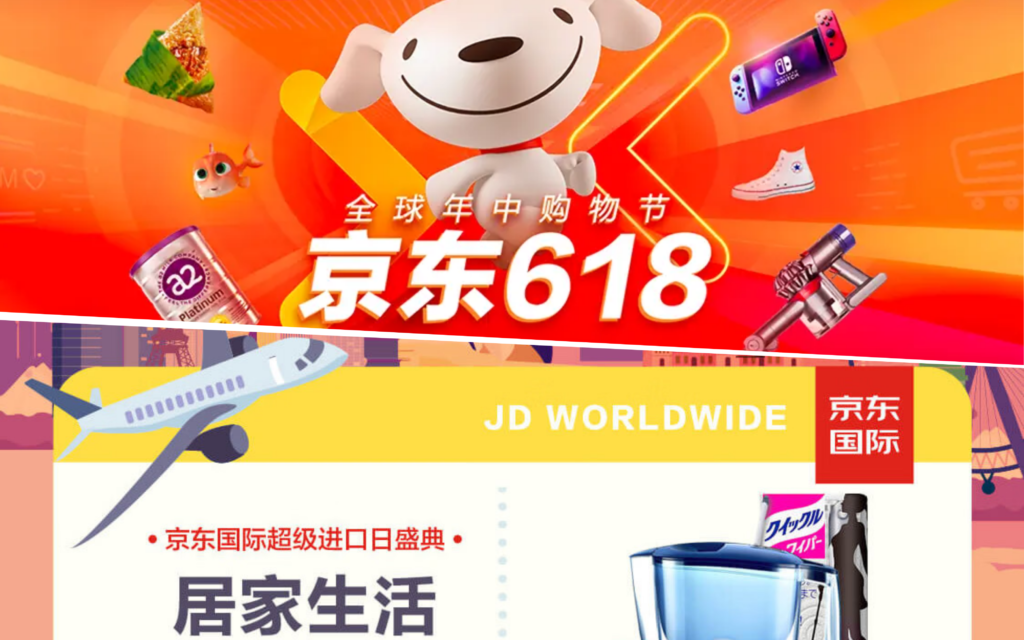
Building on the success of JD within China, JD Worldwide serves as the international extension of JD eCommerce platform. It was launched to meet the growing demand among Chinese consumers for high-quality foreign products and to provide international businesses with direct access to China’s massive online market.
It was launched to meet the growing demand among Chinese consumers for high-quality foreign products and to provide international businesses with direct access to China’s massive online market.
JD Worldwide partners with major international logistics companies such as DHL, Australia Post, and YAMATO, while also leveraging JD’s comprehensive domestic logistics network. This collaboration ensures that international products can be delivered to Chinese consumers quickly and efficiently, often with the same reliability as JD’s domestic services.
The primary purpose of JD Worldwide is to enable Chinese consumers to purchase products from international sellers with the same convenience they enjoy from domestic JD.com purchases. This platform is a key component of JD’s strategy to remain competitive against other eCommerce giants like Tmall Global and Haitao platforms.
JD Worldwide operates over 1,000 warehouses and serves more than 300 million active users annually. The platform is accessible to brands, retailers, and merchants legally registered outside China, offering them a gateway to one of the world’s largest and most lucrative markets without needing a physical presence in the country.
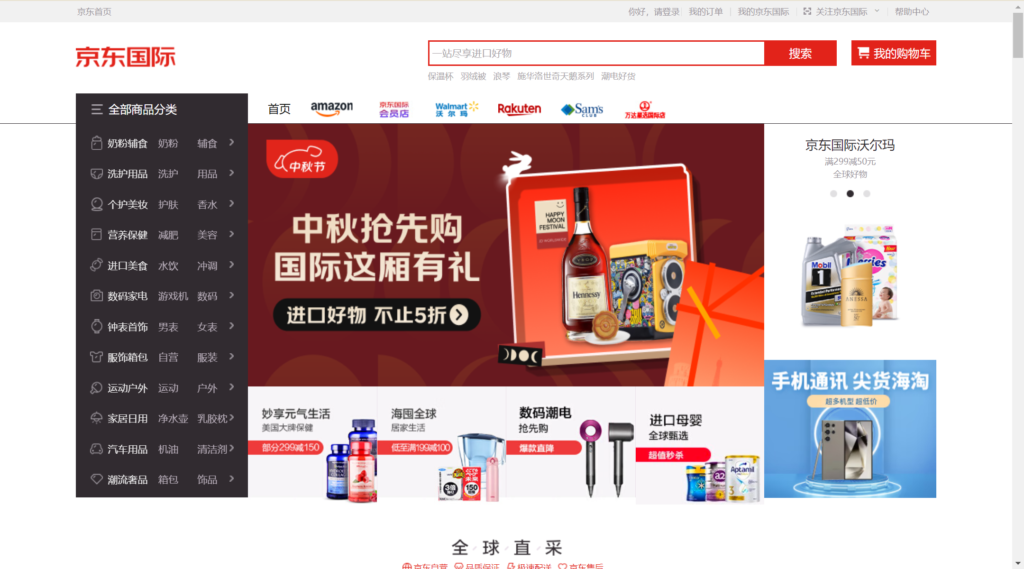
JD Worldwide operates over 1,000 warehouses and serves more than 300 million active users annually.
Several factors contribute to the growth and success of JD Worldwide:
- The rising purchasing power of Chinese consumers, who increasingly favor high-quality, imported products.
- Regulatory policies that reduce barriers to entry for foreign brands, providing more flexible options for selling in China.
- Simplified supply chain processes and preferential tax policies, which lower the cost and complexity of entering the Chinese market.
JD Worldwide offers international businesses a valuable opportunity to tap into China’s booming eCommerce sector, allowing them to reach a vast audience of discerning consumers without the challenges of establishing a physical presence in the country. This makes JD Worldwide an essential platform for any brand looking to expand its global footprint.
Comparison Between JD and JD Worldwide
| Aspect | JD (Jingdong) | JD Worldwide |
|---|---|---|
| Primary Focus | eCommerce platform for the Chinese market | International eCommerce platform for Chinese consumers |
| Coverage | Over 1,500 warehouses across China | Over 1,000 warehouses, with international operations |
| Logistics | Advanced domestic logistics, 90% same-day or next-day delivery | Partners with international logistics companies, efficient cross-border delivery |
| Target Audience | Primarily Chinese consumers | Chinese consumers seeking high-quality foreign products |
| Key Services | Domestic warehousing, cold chain logistics, B2B and crowdsourced logistics | Cross-border logistics, international product access |
| Expansion | Focused on increasing domestic market share | Facilitates foreign brands’ entry into the Chinese market |
| Unique Features | Largest eCommerce logistics infrastructure in China | Provides access to the Chinese market without requiring a physical presence |
| Customer Base | Hundreds of millions of active users in China | Over 300 million active users annually |
Which One Should You Choose? (Quick Decision Guide)
Choose JD.com (Domestic) if you already have (or plan to build) a China entity, want fast domestic delivery, and are ready for deeper local operations.
Choose JD Worldwide (Cross-border) if you want to enter China without a mainland entity, sell imported products, and start with a cross-border model using JD’s ecosystem.
Many brands start with JD Worldwide to test demand, then expand to JD.com later once the business case is proven.
3. How to Start Selling on JD.com and JD Worldwide (Step-by-Step)
Entering the Chinese eCommerce market through JD.com or JD Worldwide offers a significant opportunity for international brands. However, the process to become a seller on these platforms is detailed and requires careful preparation. Below is a step-by-step guide to help you navigate the application process and start selling successfully.
Chinese consumers are highly discerning when it comes to online shopping, and JD.com is known for guaranteeing quality products. As one of the most popular eCommerce platforms in China, JD.com has strict requirements for sellers, which you must meet to obtain a verified account.
Pre-Application Checklist (Before You Apply)
Confirm whether you’re applying for JD.com or JD Worldwide (different setup and requirements).
Ensure you have brand/trademark proof for the products you’ll sell.
Decide your logistics model (bonded warehouse vs overseas shipping).
Prepare Mandarin support: store contact + customer service coverage.
Set a realistic launch budget including deposit + annual fee + marketing.
1. Understand the Requirements
JD.com only accepts well-established, reliable third-party sellers. Before applying, you need to familiarize yourself with JD.com’s merchant contract and ensure you can meet all the conditions specified. Additionally, you must be prepared to use JD.com’s comprehensive fulfillment infrastructure, which includes marketing, financing, customer services, and delivery.
2. Prepare Necessary Documents
To sell on JD.com, you must provide proof that you are qualified to do business in China. Key documents include:
- A business license stamped with your company seal or signed by a legal representative
- Identification of the legal representative
- A corporate bank account based overseas or in Hong Kong, Macao, or Taiwan that can settle in US dollars
- Trademark registration of the brand(s) you wish to sell
- Identification of the store contact person (a Chinese citizen located in China)
JD Application Documents (Quick Checklist)
Document / Requirement | Why JD Needs It | Notes |
Business license (stamped/signed) | Verify legal business entity | Must match company name on application |
Legal representative ID | Compliance + ownership verification | Required for account validation |
Corporate bank account (USD settlement) | Payments & settlement | Often overseas/HK/MO/TW accepted |
Trademark registration | Brand ownership proof | Required for brand store eligibility |
Store contact person in China | Operational communication | Typically needs Mandarin + China-based |
JD Wallet setup | Platform payment tool | Needed for transactions / settlement |
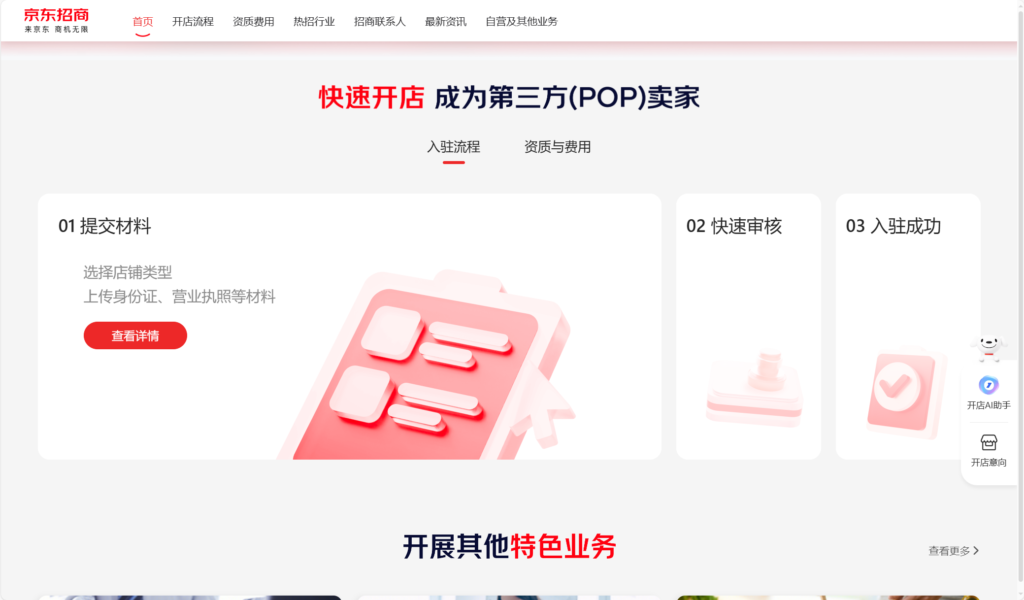
Additionally, you must set up a JD Wallet, JD.com’s online payment platform.
3. Register and Submit Your Application
Create an account on JD.com and enter all relevant information about your company and the store you plan to open. Submit your application along with the contract and necessary documentation. JD.com will review your application and documents, a process that can take anywhere from a few days to several weeks.
4. Application Review and Store Setup
Once your application is approved, you will need to complete a few final steps:
- Provide contact information and address details
- Verify your account’s security
- Pay the required fees to open your online store
The costs to start selling on JD.com can range from $8,000 to $50,000 as a deposit, with annual fees between $1,500 to $10,000, depending on the category. Additionally, JD.com charges a commission of 5-8% on sales, along with management fees, which vary based on your business scale and revenue.
4. How to Join JD Worldwide (Models, Store Types & Registration)
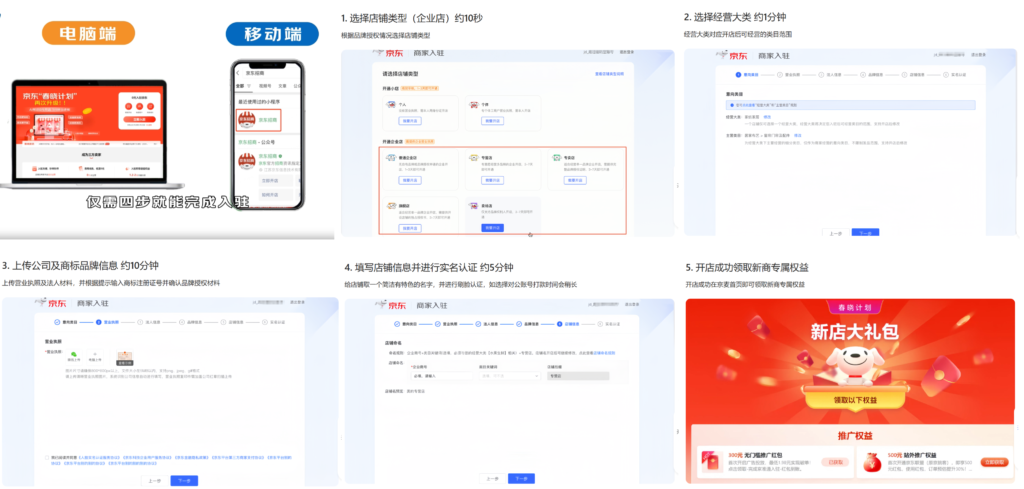
JD Worldwide offers international businesses the opportunity to sell their products directly to Chinese consumers. In this section, we’ll break down the two selling models, store types, required documents, the application process, and what to prepare before launch. There are two main ways to sell on JD Worldwide:
4.1. Two Ways to Sell on JD Worldwide (Quick Overview)
Choose Supplier (B2B2C) if you want a lower operational burden and JD handles more of the selling process.
Choose Store (B2C) if you want stronger control over brand presentation, pricing, assortment, and long-term growth.
Many brands start with B2C Store to build brand equity, and use Supplier only when eligible / invited.
JD Worldwide typically offers two entry routes. The key difference is who owns the storefront, who runs daily operations, and how much control you have over branding, pricing, and customer experience. Choosing the right model early makes the rest of your setup (store type, logistics, marketing) much easier.
4.2. Become a Supplier (B2B2C Model)
In this model, brands and official distributors sell their inventory directly to JD Worldwide. JD Worldwide handles all aspects of sales, including shipping and customer service. This approach requires minimal resources from the seller but is highly selective, often requiring an invitation from JD Worldwide to participate.
This approach requires minimal resources from the seller but is highly selective, often requiring an invitation from JD Worldwide to participate.
How the Supplier (B2B2C) Model Works
You supply inventory to JD Worldwide’s channel (terms depend on arrangement).
JD/appointed operator typically manages customer-facing selling activities (storefront exposure, basic merchandising, service standards).
The brand focuses on product readiness, supply planning, and compliance support.
Supplier (B2B2C Model) — Summary
Category | Details |
Best For | Brands with strong supply capacity but limited China operations; Distributors with official authorisation; Brands looking for a lighter operational approach (if eligible) |
Pros | Minimal day-to-day store operations; JD’s system handles key operational steps; Good for brands that don’t want to build a China e-commerce team early |
Cons / Limitations | Highly selective (often invitation-based); Less brand control over storefront storytelling and campaigns; Reliance on JD/operator execution for growth pace |
What You Still Need Ready | Clean documentation (brand/trademark, licences, authorisation); Stable inventory supply and replenishment capability; Compliance and product info for listings and customer support |
4.3. Open an Online Store (B2C Model)
Most sellers choose to open a virtual store on JD Worldwide, allowing them to present their products directly to Chinese consumers. To do this, you must pay a security deposit, platform usage fees, and a commission on each sale.
Depending on your qualifications, you can apply to open one of the following types of stores:
- Brand Flagship Store: For brand owners or distributors with tier 1 exclusive authorization in China.
- Outlet-Type Flagship Store: For retailers or distributors with both a class-35 Chinese trademark and brand authorization letters.
- Franchised Store: For merchants selling products authorized by one or more brands, provided all brands are owned by the same entity.
- Exclusive Store: For merchants selling two or more self-owned or authorized brand products without a class-35 Chinese trademark.
What You Control in a JD Worldwide Store
Store branding, product pages, storytelling (Chinese copy + visuals)
Pricing, promotions, bundles, and assortment strategy
Review strategy and customer experience direction
What You Must Operate (Usually With a Partner)
Store management (uploads, merchandising, promotion scheduling)
Mandarin customer service + after-sales
Logistics coordination and return handling
Ongoing marketing spend (ads + campaigns)
4.4. JD Worldwide Store Types (Which One Can You Apply For?)
JD Worldwide store type is mainly determined by (1) whether you own the brand, (2) what level of authorisation you have, and (3) whether you can provide the required trademark/authorisation documentation. Choosing the right store type upfront helps you avoid application delays and ensures your store is positioned correctly for Chinese consumers.
Store Types on JD Worldwide
1) Brand Flagship Store
This is the most “official” store type on JD Worldwide and is typically used by brand owners or distributors with Tier 1 exclusive authorisation in China.
Best for: brands building long-term presence and brand trust
Typical expectation: strong brand ownership proof (trademark) or Tier 1 authorisation chain
Why it matters: consumers recognise flagship stores as the most credible brand-owned channel
2) Outlet-Type Flagship Store
This store type is designed for brands/retailers that want to sell through an outlet positioning (promotions, markdowns, seasonal clearance) while still maintaining a flagship-style identity.
Best for: retailers/distributors running value-driven strategies or clearance SKUs
Typical expectation: Class-35 Chinese trademark + brand authorisation letters
Why it matters: great for conversion spikes, but can weaken premium positioning if used incorrectly
3) Franchised Store
A franchised store supports merchants selling products from one or more brands, typically in a structured portfolio. In many cases, JD expects the brands sold under this store type to be owned by the same entity (or organised under the same rights structure).
Best for: merchants managing a portfolio of brands under one ownership structure
Typical expectation: clear authorisation documents per brand + ownership alignment
Why it matters: helps multi-brand sellers operate under one store identity (but requires clean paperwork)
4) Exclusive Store
This store type often suits merchants selling two or more self-owned or authorised brands without a Class-35 Chinese trademark.
Best for: sellers with multiple brands (self-owned or authorised) who don’t meet Class-35 trademark requirements
Typical expectation: documentation proving you can sell each brand (ownership or authorisation)
Why it matters: flexible option for multi-brand sellers, but your authorisation chain must be very clear
JD Worldwide Store Types — Quick Overview
Store Type | Who It’s For | Core Requirement (Typical) | Best Use Case |
Brand Flagship Store | Brand owner or Tier 1 authorised distributor | Brand/trademark proof or Tier 1 authorisation chain | Official brand presence, long-term brand building |
Outlet-Type Flagship Store | Retailers/distributors with outlet strategy | Class-35 CN trademark + authorisation letters | Clearance/discount strategy, seasonal campaigns |
Franchised Store | Multi-brand seller (structured portfolio) | Authorisation per brand + ownership alignment | Multi-brand retail model under one store |
Exclusive Store | Seller with multiple self-owned/authorised brands | Ownership/authorisation proof per brand (often without Class-35 CN trademark) | Flexible multi-brand setup for cross-border selling |
Quick Guide: How to Choose the Right Store Type
If you own the brand/trademark, a Brand Flagship Store is usually the cleanest long-term option.
If you’re an authorised distributor (not brand owner), confirm whether you qualify for Brand Flagship based on your authorisation level.
If you sell multiple brands, check whether Franchised Store fits your ownership/authorisation structure, or whether Exclusive Store is more realistic.
If your strategy is price-driven or clearance-focused, consider the Outlet-Type Flagship Store—but only if it matches your brand positioning.
Common Mistakes to Avoid (That Cause Delays)
Selecting a store type that doesn’t match your authorisation documents (this is one of the most common reasons for rework).
Choosing an outlet model for a premium brand launch, then struggling with perception and pricing power later.
Applying as multi-brand without clear documentation per brand, which can slow down approval and store setup.
Not aligning store type with your long-term strategy (test-and-learn vs brand building vs portfolio retailing).
4.5. Documents Required for JD Worldwide Registration
Core Documents (Most Applicants Need)
To apply for a store on JD Worldwide, you’ll need to provide:
- Business license and legal representative’s ID
- Corporate bank account details
- Trademark registrations
- Authorization documents, if applicable
- Identification for the store’s contact person in China
JD Worldwide may require additional qualifications depending on your category (for example, health-related claims, cosmetics documentation, or product compliance certificates). Always confirm category rules during the application stage.
4.6. Application Process (Step-by-Step)
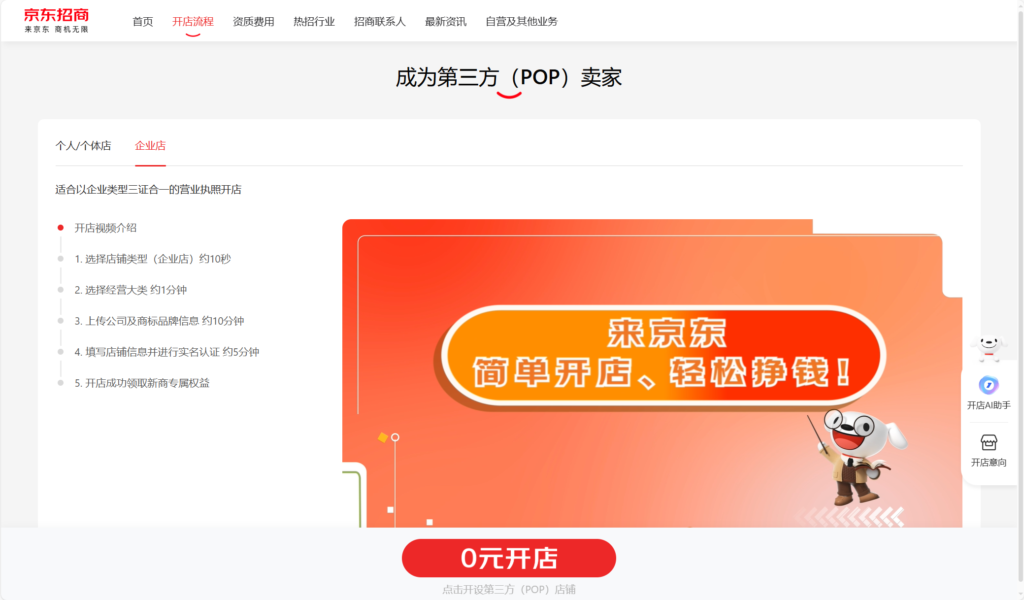
- Collect and Prepare Documents: Gather all required documents and ensure they meet JD Worldwide’s standards.
- Submit Your Application: Use the online registration page to submit your documents and company profile.
- Review Process: JD Worldwide will review your application, usually within 1 to 3 working days.
- Approval and Store Setup: Once approved, follow JD Worldwide’s instructions to set up your store and start selling.
Typical Timeline
Document prep: depends on your readiness
JD review: usually 1–3 working days (as you already wrote)
Store setup + onboarding: varies by store type and category
First launch period: plan a soft launch window to test ops and conversion
What Happens After Approval
Pay deposit/fees
Build store pages + listings
Confirm logistics model (bonded vs overseas)
Prepare customer service (Mandarin coverage)
Plan first campaign (ads + traffic)
4.7. Key Considerations for Selling on JD Worldwide (Before You Launch)
- Language and Localization: All application materials and interactions with JD.com and JD Worldwide will be in Mandarin Chinese. It’s crucial to have a translator or a Chinese-speaking employee to manage your account. Alternatively, professional services can help navigate the application process.
- Costs and Fees: Be prepared for significant upfront costs, including deposits and annual fees, which vary depending on the category and scale of your business.
- Ongoing Support: A Chinese Business Development (BD) manager will be assigned to assist you throughout the process, ensuring that your application and operations on the platform run smoothly.
- Operations Readiness (Customer Service + Returns): JD shoppers expect fast response times and reliable after-sales support. Ensure you have Mandarin customer service coverage and a clear process for returns/refunds before launch.
- Marketing Readiness (Traffic Is Not Automatic): Opening a store does not guarantee sales. Plan budget and execution for JD ads, campaigns, and off-platform traffic (WeChat, content, KOL/KOC) so your store can build visibility quickly.
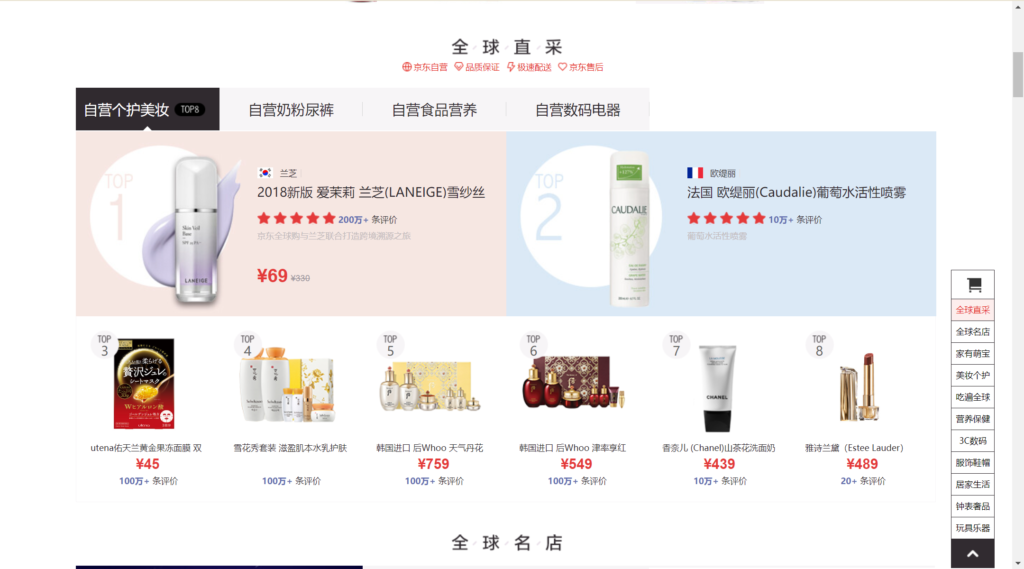
Next, we’ll look at practical ways to increase traffic and conversion so your JD Worldwide store can scale.
5. How to Boost Your Sales on JD (Local Growth Playbook)
Selling on JD.com, one of China’s largest and most trusted eCommerce platforms, requires a tailored approach to effectively reach and engage Chinese consumers. Here’s an updated and simplified guide to help you increase your sales on JD.com by focusing on key strategies that resonate with the local market.
1. Tailor Your JD Flagship Store to Chinese Consumer Preferences
Chinese consumers have unique preferences when it comes to online shopping, which differ significantly from Western consumers. To maximize your impact on JD.com, it’s essential to align your store’s design and content with these local tastes.
- Engage with Visual Content: Chinese shoppers prefer colorful, dynamic websites. Use vibrant colors, high-quality images, and engaging videos to showcase your products. Aim to include at least 5-10 images per product, highlighting different angles and features.
- Write in Simplified Chinese: Ensure all content, from product descriptions to customer interactions, is in Simplified Chinese. This not only makes your store more accessible but also builds trust with your audience.
- Provide Detailed Descriptions: Chinese consumers appreciate thorough product details. Include comprehensive descriptions that cover all aspects of your product, answering potential questions before they arise.
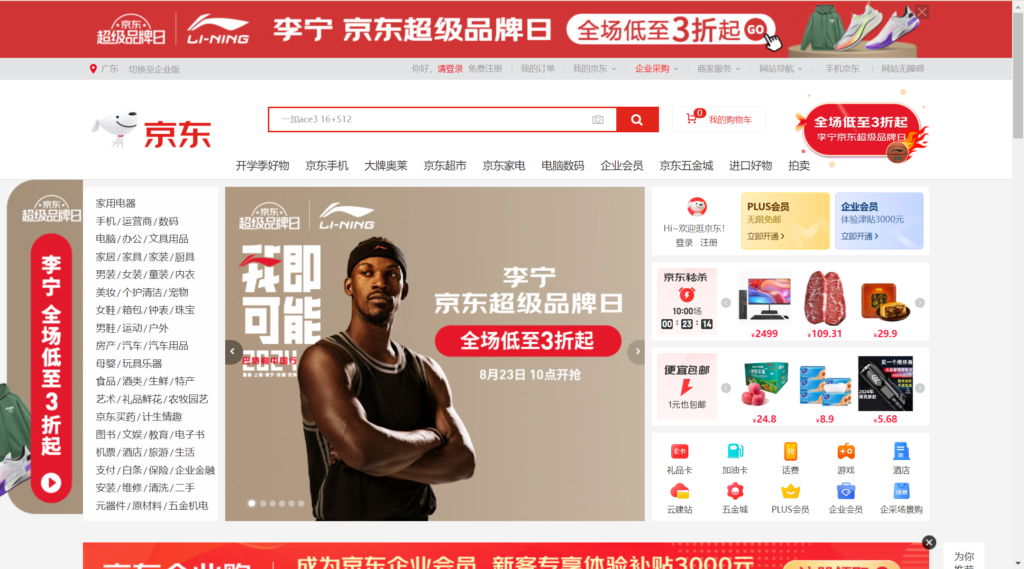
2. Leverage JD.com’s Advertising Tools Effectively
Advertising on JD.com can significantly enhance your visibility, but it’s important to use these tools strategically to get the best return on investment.
- Use Targeted Ads: Utilize banner ads and Pay-Per-Click (PPC) campaigns to drive traffic to your store. These ads are effective in increasing visibility but should be part of a broader, well-rounded marketing strategy.
- Integrate with Broader Marketing Efforts: Complement your JD.com ads with external efforts like Baidu SEO, public relations (PR), and social media marketing. A multi-channel approach helps build a consistent brand presence and drives more qualified traffic to your store.
3. Build and Maintain a Strong E-Reputation
In China, a strong online reputation is crucial for success, especially on platforms like JD.com where consumer trust is paramount.
- Encourage Positive Reviews: After securing your first sales, actively encourage customers to leave positive reviews. Good reviews are essential in building trust and can significantly influence potential buyers.
- Monitor and Engage: Regularly monitor customer feedback and engage with it promptly. Addressing negative feedback professionally can turn a bad experience into a positive one and enhance your brand’s image.
- Leverage Social Proof: Use Chinese social media platforms like WeChat, Weibo, and Douyin to amplify your brand’s presence. Collaborating with influencers (KOLs) can also lend credibility and attract more customers to your JD store.
4. Utilize WeChat to Drive Traffic and Sales
WeChat, China’s most popular app, is an essential tool for promoting your JD.com store and engaging with customers.
- Direct Customer Engagement: Use WeChat to directly interact with your customers, providing instant support and building relationships. This can increase customer loyalty and repeat purchases.
- Seamless Integration with JD.com: Leverage the seamless integration between WeChat and JD.com, making it easy for users to discover and shop at your store directly through WeChat.
- Promote Through Content: Share engaging content, special offers, and updates about your products on WeChat. Use WeChat’s powerful features, like H5 brochures and mini-programs, to create interactive experiences that drive traffic to your JD store.
5. Enhance Your Brand’s Visibility Beyond JD.com
Expanding your brand’s reach across other Chinese digital platforms can significantly boost your JD.com sales.
- Invest in Baidu SEO: Optimize your content for Baidu, China’s leading search engine, to ensure your products are easily found by Chinese consumers.
- Engage in Community Forums: Participate in popular Chinese forums like Zhihu (the leading Q&A platform) to build your brand’s credibility and drive traffic to your store.
- Collaborate with Influencers: Work with Key Opinion Leaders (KOLs) and influencers who can introduce your brand to a wider audience. Their endorsements are highly trusted and can significantly impact your sales. Partnering with a Chinese KOL agency can help you connect with the right influencers, craft authentic campaigns, and effectively tap into the power of KOL marketing to boost your brand’s visibility.
6. Operational Setup on JD: Logistics, Customer Service & Marketing
After obtaining approval from JD and paying the necessary security deposit and platform usage fees, there are several critical steps you need to take before launching your store. To ensure success, it’s crucial to collaborate with a JD partner that has a professional team and deep expertise in the Chinese eCommerce landscape. Here’s what you need to consider:
To ensure success, it’s crucial to collaborate with a JD partner that has a professional team and deep expertise in the Chinese eCommerce landscape.
1. Develop a Suitable Logistics Plan
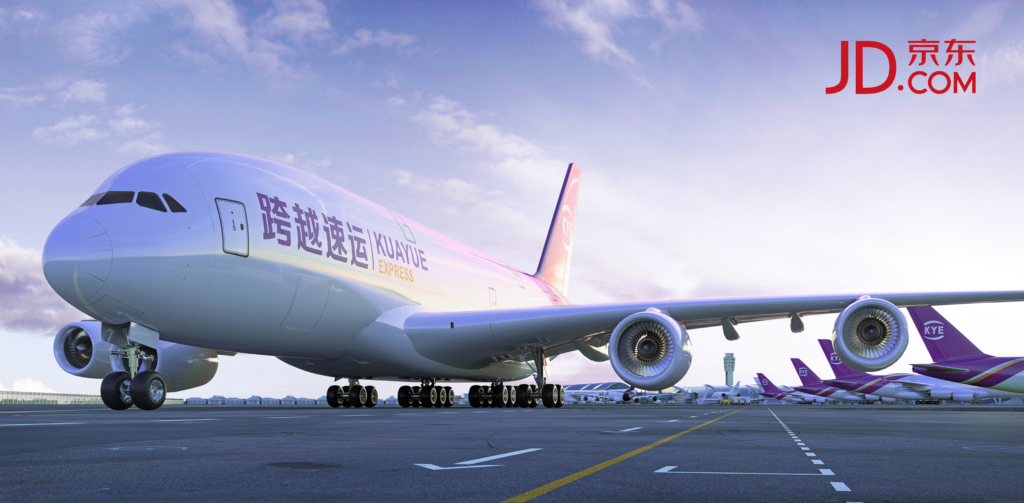
JD.com offers a robust international logistics network, but selecting the right logistics plan for your store is vital. There are two main options for getting your products to Chinese customers:
- Option A: Pre-export Goods to JD’s Domestic Bonded Warehouse
- Advantages: This option offers shorter delivery times and lower logistics costs, making it ideal for maintaining quick turnaround and customer satisfaction.
- Disadvantages: However, it comes with the risk of overstocking and higher storage costs, particularly if your products have a limited shelf life.
- Option B: Stock Goods in JD’s Overseas Warehouse
- Advantages: This option allows for lower storage costs and reduces the risk associated with perishable goods.
- Disadvantages: The downside is longer delivery times and higher logistics costs, which could impact customer satisfaction.
If you’re unsure which logistics option is best for your business, it’s crucial to consult with a JD partner who can help you determine the most cost-effective and efficient solution.
2. Onboard a Professional Management and Customer Service Team
A well-trained customer service team is essential to your store’s success on JD.com. The interaction between your customer service representatives and potential buyers can make or break a sale. Additionally, customer feedback on post-sale support can significantly influence your store’s ranking and reputation.
A well-trained customer service team is essential to your store’s success on JD.com.
- Importance of Customer Service: High-quality customer service before, during, and after a purchase is critical. Positive customer experiences lead to higher satisfaction, better reviews, and repeat business, all of which are vital for success on JD.com.
- Training and Support: Ensuring that your staff is well-trained in handling customer inquiries, resolving issues, and providing timely support is essential. Partnering with a JD expert who can provide or manage these services can be a game-changer in maintaining high service standards.
3. Create a Tailor-Made Marketing Plan
Marketing on JD requires a deep understanding of the Chinese eCommerce market and its unique dynamics. The range of marketing strategies available is vast, and selecting the right mix is crucial for driving traffic and sales to your JD store.
- Diverse Marketing Channels: Consider integrating WeChat marketing, WeChat mini-programs, search engine marketing, influencer marketing, and other digital channels into your strategy. Each of these channels offers unique advantages that can help boost visibility and engagement with your target audience.
- Professional Expertise: Developing an effective marketing plan requires the expertise of someone who understands the nuances of the Chinese market. Hiring a seasoned marketing professional with extensive knowledge of JD.com and Chinese consumer behavior is highly recommended. Alternatively, working with a JD partner can provide you with the strategic insights and support needed to execute a successful marketing campaign.
Conclusion
Launching and managing a store on JD.com involves navigating a complex set of operational challenges, from logistics to customer service to marketing. To effectively overcome these challenges and maximize your success, partnering with a JD expert who has a professional team and in-depth knowledge of the platform is essential. Whether it’s selecting the right logistics plan, ensuring top-notch customer service, or crafting a strategic marketing plan, a knowledgeable partner can provide the guidance and support you need to thrive on JD.
Expanding into China requires more than just opening an online store — it takes local insight, cultural understanding, and strategic execution. At Influchina, we help international brands navigate JD, JD Worldwide, and China’s eCommerce ecosystem with confidence — turning market entry into measurable growth.
FAQ
FAQs – Selling on JD Worldwide
What is the difference between JD.com and JD Worldwide?
JD.com is the domestic platform built for China-based operations and fast local delivery. JD Worldwide is JD’s cross-border marketplace designed for imported products, allowing international sellers to reach Chinese consumers with a lighter domestic setup.
Do I need a physical presence in China to sell on JD Worldwide?
JD Worldwide is positioned to support international brands selling into China without needing a full physical presence in mainland China. However, you still need compliant documentation, operational readiness, and usually a China-based contact for smoother communication and store operations.
What are the two ways to sell on JD Worldwide?
There are two main options:
Supplier (B2B2C): you supply inventory, and JD Worldwide handles more of the sales, shipping, and customer service, but this route is selective and may require an invitation.
Open a store (B2C): you operate your own JD Worldwide store with more control over branding and pricing, but you’ll pay deposits/fees/commission and manage ongoing operations (often with a partner).
Which JD Worldwide store type should I choose?
It depends on your ownership and documentation:
Brand Flagship Store: for brand owners or distributors with high-level exclusive authorisation
Outlet-type Flagship Store: for discount/outlet positioning and specific trademark + authorisation requirements
Franchised Store: for merchants selling one or more authorised brands under specific ownership/structure conditions
Exclusive Store: for merchants selling multiple self-owned/authorised brands, often without certain trademark conditions
What documents do I need to apply for JD Worldwide?
Typical requirements include:
Business license and legal representative identification
Corporate bank account details
Trademark registrations
Authorisation documents (if you are not the brand owner)
Identification for the store’s contact person in China
JD may also request additional qualifications depending on your product category.
How long does the JD Worldwide review process take?
After submission, platform review is commonly stated as a short turnaround (often within a few working days), but the full timeline to launch depends on your documentation readiness, store setup workload, and category requirements.
How much does it cost to start selling on JD Worldwide?
You should expect upfront costs including a security deposit, platform usage fees, and commission on each sale. Exact numbers vary by category, store type, and operational setup, so budgeting should also include store build, customer service, logistics, and marketing.
Bonded warehouse vs overseas warehouse — which logistics option is better?
Bonded warehouse: typically faster delivery and lower per-order logistics cost, but higher storage fees and greater overstock risk.
Overseas shipping: lower storage risk and useful for cautious testing or limited shelf-life items, but slower delivery and higher shipping costs per order.
How do I increase sales on JD Worldwide?
Focus on localisation (Chinese product pages and visuals), strong pricing and promotions, building reviews and trust, using JD advertising tools, and bringing external traffic from channels like WeChat, Baidu search, community forums, and influencer collaborations.
Do I need a JD expert or agency to run a JD Worldwide store?
Most international brands benefit from working with a JD expert team or agency for store setup, Mandarin customer service, logistics planning, campaign execution, and ongoing optimisation—especially if you don’t have an internal China team.