
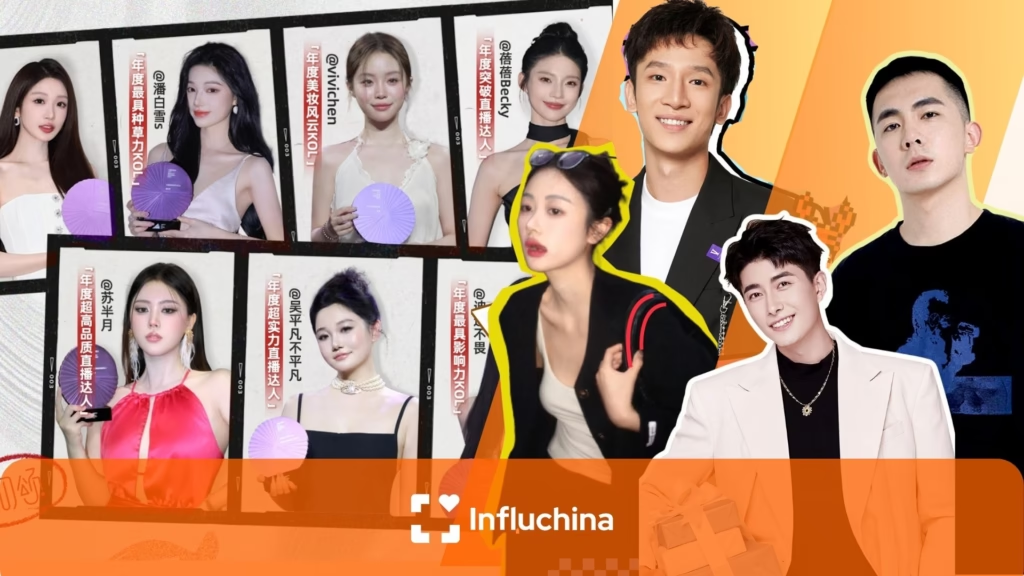
TL;DR | Chinese Social Media Influencers
Chinese social media influencers — from top-tier KOLs to relatable KOCs — are shaping how consumers in China discover, trust, and purchase products.
Success comes from combining platform-specific storytelling (Douyin for virality, Xiaohongshu for lifestyle inspiration, WeChat for community building) with localized content and data-driven influencer selection.
For foreign brands, working with a China influencer agency ensures compliance, cultural alignment, and measurable impact across multiple platforms.
The rise of Chinese social media influencers is reshaping the global marketing landscape, driven by China’s thriving digital economy, projected to surpass $10 trillion by 2025. With over 1 billion internet users and some of the world’s most active social media platforms, Chinese social media influencers wield unprecedented power to shape consumer behavior. From promoting products to setting trends, these digital tastemakers connect brands with highly engaged audiences.
Understanding the unique aspects of platforms like Xiaohongshu, Douyin, and WeChat, along with tailored influencer marketing strategies, is essential for brands aiming to succeed in this dynamic market. Incorporating these platforms into a well-crafted China marketing strategy allows businesses to leverage Chinese social media influencers, tap into a vast pool of potential customers, and create campaigns that resonate deeply within the Chinese culture.
1. Why Chinese Social Media Influencers Are Transforming Digital Marketing
Chinese influencers have redefined brand communication by blending authentic storytelling, e-commerce, and entertainment, creating deeper emotional connections with audiences across China’s digital landscape.
Chinese social media influencers, known as Key Opinion Leaders (KOLs), are at the forefront of a marketing revolution. Their innovative strategies blend commerce, entertainment, and authenticity, redefining traditional paradigms and shaping the way brands interact with consumers. This evolution highlights the power and impact of influencer marketing in China, where KOLs not only drive consumer behavior but also set new standards for brand storytelling and engagement.
1.1 Blurring Entertainment and Commerce
Platforms like Douyin and Xiaohongshu seamlessly integrate e-commerce features, allowing Chinese social media influencers to connect entertainment with product promotion.
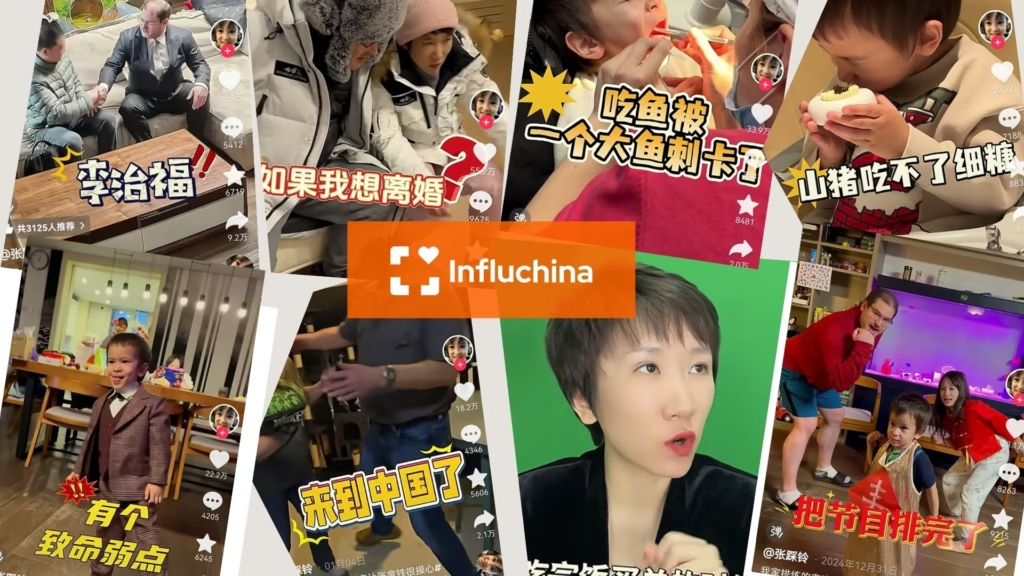
For example, well-known Douyin influencer Zhang Cailing (张踩铃) excels at using captivating, story-driven videos to showcase a variety of products. These videos skillfully blend advertising with entertainment, creating an immersive viewing and shopping experience for the audience. By weaving vivid stories into her content, Zhang naturally incorporates products in a way that transforms potentially off-putting promotional material into engaging and easily accepted content. This innovative combination of entertainment and commerce effectively lowers viewers’ psychological resistance to advertisements, allowing shopping to occur naturally in an enjoyable atmosphere. This approach not only enhances user experience but also drives sales conversions.
1.2 Hyper-Targeted Marketing
Chinese social media platforms utilize advanced algorithms to deliver highly personalized content. Douyin’s recommendation engine, for instance, analyzes user behavior and preferences to ensure that influencer content reaches the most relevant audience. This precision targeting not only enhances engagement but also minimizes wastage, making campaigns more cost-effective.
1.3 Authenticity and Relatability
Unlike traditional celebrity endorsements, Chinese social media influencers are perceived as approachable and relatable. They often share personal stories, product reviews, and behind-the-scenes glimpses of their lives, fostering a sense of connection and trust with their followers. This authenticity makes their product recommendations more persuasive and impactful.
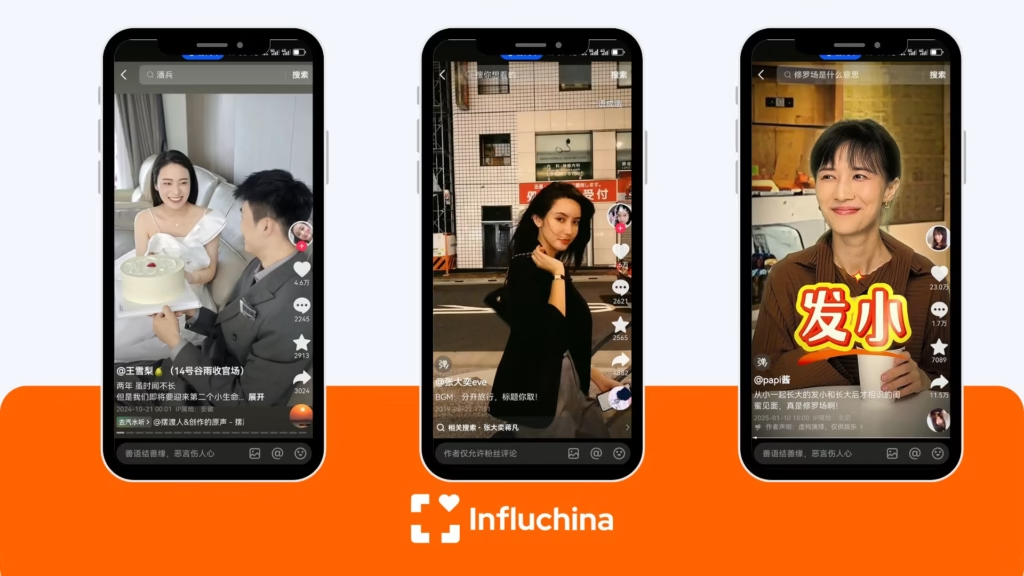
For example, Xueli (雪梨), one of the leading Douyin influencers, often shares her outfit inspirations, beauty tips, and product experiences. Her approachable demeanor and genuine content have earned her the trust and admiration of many followers, making her product recommendations on Douyin highly convincing.
Similarly, Zhang Dayi (张大奕), another prominent influencer, frequently posts about her daily life, outfit photos, and product reviews on social media. Her authentic sharing and interactions with fans create a strong bond, making her promotions feel natural and effective.
Papi Jiang (papi酱), a versatile influencer known for her humor and charisma, excels at sharing her insights and experiences through engaging videos. Her frequent interactions with followers and everyday life stories make her product recommendations relatable and aligned with her audience’s preferences.
1.4 Cultural Alignment
Chinese influencers create content deeply rooted in local cultural nuances, such as traditional festivals, popular slang, and trending topics. For example, during the Lunar New Year, Chinese social media influencers may incorporate holiday traditions into their promotions, making their content highly relevant and engaging for local audiences.
1.5 Innovative Marketing Formats
From live-streaming flash sales to interactive virtual events, Chinese social media influencers continuously experiment with new content formats. China streaming platforms, in particular, have become a powerful tool for driving immediate sales, as influencers can demonstrate products, answer questions in real-time, and create a sense of urgency among viewers.
2. Best Chinese Social Media Platforms for Influencer Marketing (2025 Update)
From Douyin’s viral videos to Xiaohongshu’s lifestyle storytelling, each platform offers distinct advantages — making it crucial to align your campaign goals with the right channel mix.
The Chinese social media landscape offers unique platforms catering to various audiences and industries. Each platform has distinct strengths and opportunities for KOL marketing in China, making them indispensable tools for brand success.
2.1 WeChat
As China’s largest comprehensive social platform, WeChat boasts over 1 billion monthly active users and integrates social networking, payments, and content sharing.
- Advantages: WeChat excels in close engagement and private domain operations. Brands can leverage Official Accounts and Mini Programs to publish high-quality content, nurture customer loyalty, and build long-term user bases. For example, luxury brands often use WeChat to offer exclusive content and personalized shopping experiences, enhancing customer retention.
2.2 Douyin (TikTok)
A short-video platform with over 1 billion users, Douyin, often referred to as the Chinese version of TikTok, combines entertainment with a robust Douyin e-commerce ecosystem.
- Advantages: Douyin’s algorithm ensures precise content distribution, making it highly effective for marketing campaigns. Influencers often showcase product features through short, engaging videos that resonate with younger audiences. The platform’s tools, like live-streaming sales and interactive challenges, further enhance user engagement and conversion rates.
2.3 Xiaohongshu (Little Red Book)
A lifestyle-focused platform where over 70% of users are women, with a strong emphasis on authentic reviews and community engagement.
- Advantages: Xiaohongshu is ideal for “planting the seed”—introducing products through relatable, detailed content. Collaborations with a Xiaohongshu influencer often lead to high-value content that sparks interest and encourages purchases. For instance, beauty and fashion brands frequently use Xiaohongshu to build awareness and trust among discerning consumers.
Working with a Xiaohongshu marketing agency can further amplify these efforts by crafting tailored strategies that align with the platform’s unique ecosystem. From identifying the right influencers to optimizing content for the algorithm, a specialized agency ensures brands maximize their reach and engagement on this highly influential platform.
2.4 Zhihu
A platform centered on Q&A content and in-depth discussions, attracting users seeking professional knowledge.
- Advantages: Zhihu’s reputation for high-quality, informative content makes it an excellent choice for building brand authority. Brands can collaborate with influencers to create long-form articles or expert discussions, appealing to users interested in detailed insights and credible information.
2.5 Weibo
One of China’s earliest social media platforms, Weibo remains popular for trending topics, celebrity engagement, and real-time updates.
If you’re curious about what is Weibo, you can read our article for a deeper understanding.
- Advantages: Weibo’s openness and co-branding opportunities make it a valuable tool for increasing exposure. Brands can participate in trending events and leverage Chinese social media influencers to create viral campaigns that drive visibility and engagement.
2.6 Bilibili
Focused on ACG (animation, comics, and games) content, Bilibili attracts a younger, highly engaged audience.
- Advantages: Bilibili’s interactive features, such as bullet comments and community discussions, foster strong connections between influencers and fans. Brands targeting Gen Z can collaborate with Bilibili creators to deliver creative, story-driven content that resonates deeply with this demographic.
3. How to Choose the Right Platform and Influencer Type for Your Brand
Selecting the right combination of platforms and influencer tiers (KOLs vs. KOCs) determines your campaign’s success — the key is matching audience behavior with your brand’s positioning.
Choosing the right platform and influencer type is one of the most decisive factors in building a successful marketing strategy in China.
Each Chinese social media platform attracts a different audience segment, serves unique content formats, and aligns with specific industries. Similarly, the choice between KOLs (Key Opinion Leaders) and KOCs (Key Opinion Consumers) depends on your campaign goals — from brand awareness to conversion.
To help you decide, the table below outlines which platforms and influencer types perform best for different objectives.
Platform | Best For | Audience Profile | Ideal Influencer Type | Why It Works |
Douyin (TikTok China) | Mass-market visibility, viral campaigns, product demos | Younger consumers (18–35), entertainment-driven, mobile-first | KOLs for broad exposure, KOCs for conversion-focused product content | Combines short-form video, livestream selling, and trend culture for high engagement and purchase intent |
Xiaohongshu (RED / Little Red Book) | Lifestyle storytelling, beauty, fashion, wellness | Urban female audience, Gen Z and Millennials, aspirational shoppers | KOCs for authenticity, micro-KOLs for niche trust-building | Content-driven discovery platform ideal for “planting grass” (seeding desire and brand affinity) |
Celebrity campaigns, event buzz, brand launches | Broad national audience, trend followers | Mega KOLs or celebrities for visibility | Best for generating viral topics and driving top-of-funnel exposure through trending hashtags | |
B2B marketing, luxury, brand storytelling | Mature, professional users, high-income demographic | Macro KOLs for thought leadership | Great for long-form storytelling and nurturing private traffic through official brand channels | |
Bilibili | Education, technology, gaming, entertainment | Gen Z community users seeking depth and interaction | Micro KOLs or niche creators for engagement | Encourages long-form, high-retention video content that builds credibility and loyal followings |
Key Takeaways
Platform-first strategy: Don’t spread resources across all networks. Choose 1–2 core platforms that match your industry and audience habits.
Influencer tier alignment:
KOLs (Key Opinion Leaders) = broad visibility, aspirational branding.
KOCs (Key Opinion Consumers) = relatable storytelling, peer trust, and high conversion.
Content synergy: Combine short-form video (Douyin) with lifestyle storytelling (RED) or trending exposure (Weibo) for balanced reach and authenticity.
Data-driven decisions: Use analytics from each platform’s native dashboard (Douyin’s Ocean Engine, Xiaohongshu Data Insights, etc.) to refine audience targeting.
Pro Tip: Brands entering the Chinese market for the first time should prioritize Xiaohongshu for brand image building and Douyin for conversions. For a full-funnel approach, consider running a hybrid campaign that blends influencer storytelling on Xiaohongshu with livestream selling and viral amplification on Douyin.
4. Types of Chinese Social Media Influencers (KOL vs KOC Explained)
China’s influencer ecosystem spans from celebrity KOLs with millions of followers to everyday KOCs whose peer-level recommendations drive authenticity and conversions.
Understanding the categories of influencers in China helps brands select the right partner for their campaigns. Each type serves unique purposes and caters to specific goals within the broader landscape of marketing in China.
4.1 Key Opinion Consumers (KOCs)
- Characteristics: Everyday users sharing genuine product reviews and experiences, often with small but highly engaged audiences.
- Strengths: KOCs in China are trusted for their authenticity, making them ideal for grassroots marketing and niche audience engagement. For example, KOCs might share detailed reviews of skincare products, building credibility for lesser-known brands.
4.2 Nano Influencers
- Characteristics: Influencers with small follower bases focused on specific communities or interests.
- Strengths: Their close relationships with followers enable highly personalized interactions, making them effective for targeted campaigns. For instance, a nano influencer in the fitness niche might promote health supplements with personalized content.
4.3 Micro Influencers
- Characteristics: Influencers with moderate reach, specializing in niches such as beauty, fitness, or technology.
- Strengths: Micro influencers combine authenticity with broader audience reach, making them versatile partners for mid-sized campaigns. Their expertise often enhances credibility and engagement.
4.4 Macro Influencers
- Characteristics: Established influencers with significant reach across multiple platforms, recognized as authorities in their fields.
- Strengths: Macro influencers are ideal for generating substantial visibility and impact, especially for large-scale product launches or events.
4.5 Mega Influencers
- Characteristics: Prominent public figures or celebrities with wide and diverse audiences.
- Strengths: Mega influencers excel at creating mass awareness and associating brands with aspirational lifestyles. They are particularly effective for campaigns aimed at luxury or high-end markets.
Comparison Table of Chinese Influencer Types
| Type | Characteristics | Strengths |
|---|---|---|
| KOCs | Genuine reviews, niche audiences | Grassroots marketing |
| Nano | Small, loyal communities | Targeted interactions |
| Micro | Niche experts, moderate reach | Engagement + authenticity |
| Macro | Recognized experts | Large-scale visibility |
| Mega | Celebrities, public figures | Mass appeal |
5. How Chinese Influencers Drive Consumer Behavior and Brand Trust
Chinese social media influencers influence purchase decisions through credibility, emotional storytelling, and user-generated proof that transforms awareness into loyalty.
Chinese influencers profoundly influence consumer decision-making by blending relatability, trust, and cultural relevance into their content. Their strategies are a cornerstone of digital marketing in China, often surpassing traditional advertising in effectiveness.
5.1 Building Trust Through Authenticity
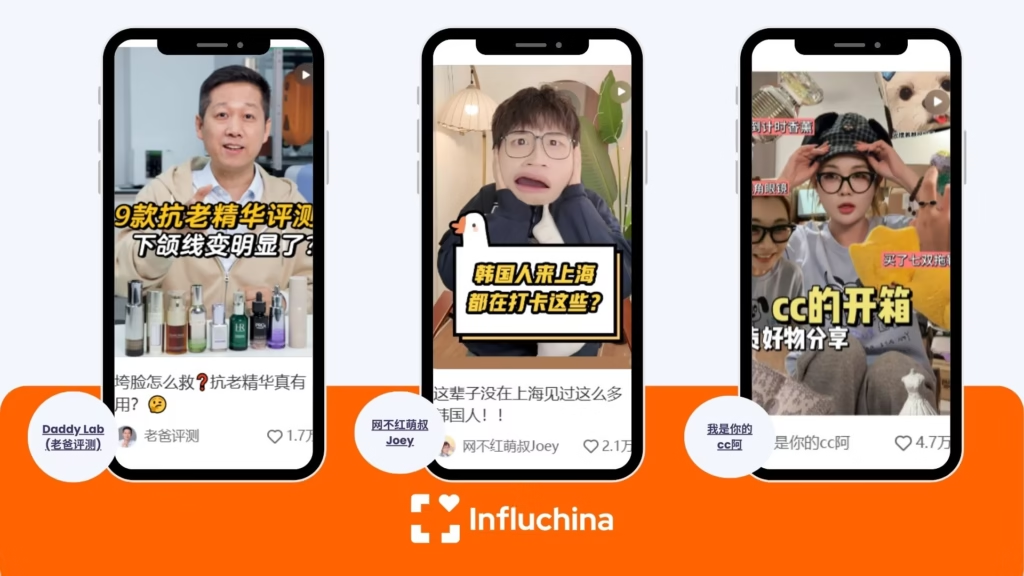
Chinese social media influencers share personal experiences and genuine opinions, fostering trust among followers. In Xiaohongshu marketing, for instance, detailed product reviews often include both pros and cons, resonating with users seeking honest feedback. Influencers like 老爸评测 (Laoba Testing), 网不红萌叔Joey (Unpopular Uncle Joey), and 我是你的cc阿 (Your CC) exemplify this approach:
- Daddy Lab (老爸评测): With a background in product testing and certification, 老爸评测 focuses on uncovering hidden hazards in everyday products. Known for his professional and rigorous evaluations, he provides reliable product information to his 7.814 million followers.
- Unpopular Uncle Joey (网不红萌叔Joey): A humor-focused influencer and one of Bilibili’s “Top 100 UP Creators of 2022,” Joey reviews beauty products and snacks with a comedic twist, combining lighthearted entertainment with authentic user experiences. He has 4 million followers.
- Your CC (我是你的cc阿): A self-media creator and fashion blogger, she reviews a wide range of unique products, from convenience store snacks to quirky toys, often including DIY experiments. Her fresh and creative content has attracted 1.714 million followers.
5.2 Balancing Aspiration and Relatability
By showcasing aspirational lifestyles while remaining relatable, Chinese social media influencers inspire and connect with their audiences. For example, a fitness influencer on Douyin might demonstrate workout routines while promoting sportswear, encouraging followers to envision themselves achieving similar goals.
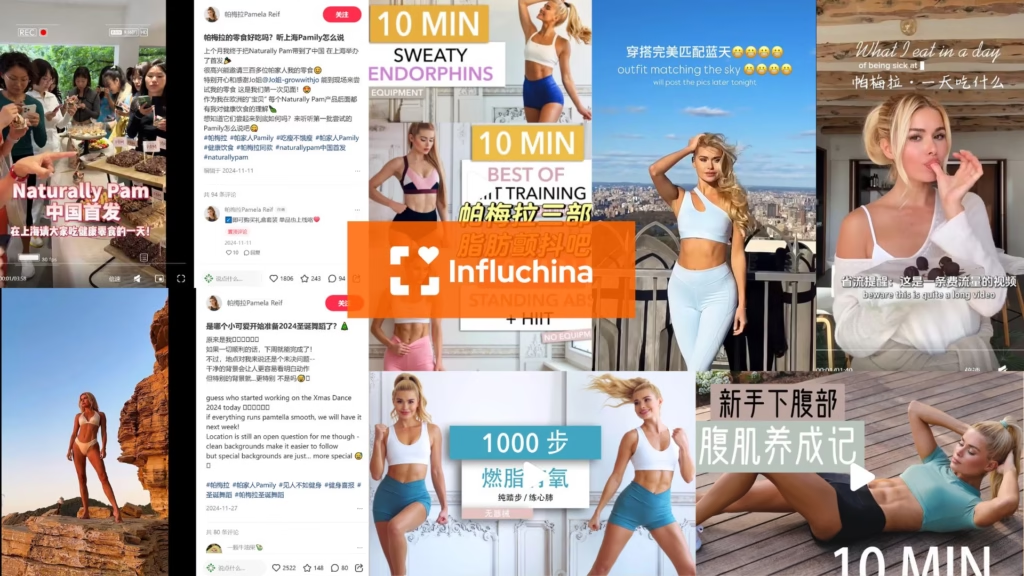
A notable example is Pamela Reif, a globally recognized fitness influencer who has also achieved remarkable success in China:
- Features: Originally famous in the West for her professional fitness knowledge and diverse training plans, Pamela has expanded her influence to China. She frequently shares her workout routines on Douyin, showcasing a healthy and active lifestyle. Additionally, she promotes her own sportswear and fitness-related products, inspiring her Chinese followers to pursue a healthy and beautiful physique.
- Impact: Pamela’s fitness videos and tutorials are highly praised worldwide. In China, her approachable yet aspirational content has resonated deeply, earning her a loyal and growing fanbase who trust her fitness methods and product recommendations.
5.3 Amplifying Social Proof
Live-streamed events and trending campaigns amplify product visibility and create a sense of urgency, encouraging immediate purchases. Influencers often showcase trending items, driving collective interest and trust.
5.4 Encouraging Interactive Engagement
Through Q&A sessions, live chats, and exclusive group interactions, influencers create communities where followers feel valued. Platforms like WeChat facilitate these connections, enhancing brand loyalty.
5.5 Localized Messaging
Chinese social media influencers tailor their content to align with cultural traditions, festivals, and key marketing trends in China, ensuring a strong connection with local audiences. For example, during Chinese New Year, influencers frequently promote special holiday offers, strategically aligning their messages with seasonal consumer behavior.
5.6 Storytelling Power
Weaving products into compelling narratives establishes emotional connections with followers. For instance, Bilibili creators might share their journey to achieving a healthier lifestyle using specific products, making the promotions feel authentic and inspiring.
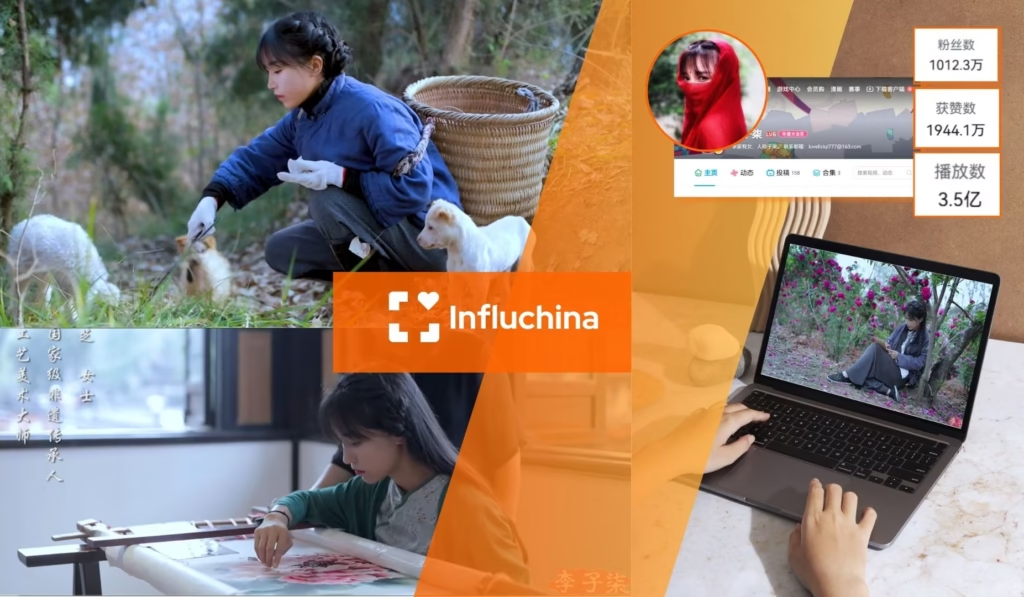
A great example is Li Ziqi (李子柒):
Li Ziqi gained fame on Bilibili for her beautifully crafted food videos, where she not only prepares dishes by hand but also shares the cultural stories behind the food. Her content provides a sensory experience that delights both the eyes and taste buds. When promoting products, she weaves in stories about their origins and craftsmanship, sparking genuine interest and trust among her followers, encouraging them to purchase.
Li Ziqi’s ability to integrate storytelling with product promotion demonstrates how authentic narratives can create deeper connections with audiences.
5. How to Collaborate with Chinese Influencers for Effective Marketing Campaigns
Strategic influencer collaboration involves precise briefing, localized storytelling, and data-driven performance tracking to ensure your brand achieves measurable results.
Collaborating with Chinese influencers can be a complex process, but working with an experienced influencer agency in China can streamline your efforts. These agencies understand the nuances of the market, have established relationships with top influencers, and can help brands craft effective campaigns that resonate with their target audience. Many also utilize specialized software for influencer management in China to organize campaigns, track performance, and ensure smooth execution across different platforms. Below are key strategies to ensure successful collaborations.
6.1 Choosing the Right Influencer
- Identify Target Audience: Clearly define the demographic you want to reach and select influencers whose followers match these characteristics.
- Evaluate Influence: Look for high-quality content, strong engagement metrics, and positive audience feedback.
- Ensure Relevance: Collaborate with influencers whose content aligns with your brand’s products or services.
6.2 Developing a Collaboration Plan
- Define Format: Choose suitable collaboration formats, such as live-streaming, product reviews, or interactive campaigns.
- Outline Details: Set clear expectations for content themes, visuals, and messaging.
- Set Timeline: Include deadlines and milestones for a smooth collaboration.
- Agree on Compensation: Define payment terms and deliverables to ensure transparency.
6.3 Executing and Measuring
- Maintain Communication: Stay in contact with influencers throughout the campaign to address concerns and keep the project aligned.
- Monitor Metrics: Track key performance indicators (KPIs) like impressions, engagement, and conversions.
- Gather Feedback: Analyze audience responses to refine future strategies.
7. Common Mistakes When Working with Chinese Influencers
Avoiding pitfalls such as over-reliance on follower counts, poor localization, and lack of data tracking ensures your influencer marketing strategy remains authentic and effective.
Even global brands with solid marketing experience can face challenges when entering China’s influencer landscape. The ecosystem is unique — shaped by local culture, fast-changing social media algorithms, and distinct consumer expectations. Avoiding these common mistakes can help brands save time, budget, and credibility when working with Chinese influencers.
1. Ignoring Cultural and Linguistic Nuances
One of the most common pitfalls for foreign brands is directly translating Western campaigns into Chinese. Literal translations or tone mismatches can make the message feel distant or even awkward to local audiences.
Solution: Localize content beyond language — adapt tone, humor, design, and storytelling to reflect Chinese values, trends, and lifestyle aspirations.
2. Choosing Influencers Based Only on Follower Count
Many brands still assume that bigger audiences automatically mean better results. However, Chinese consumers increasingly value authenticity and trust over scale.
Solution: Focus on engagement rate, comment sentiment, and follower demographics instead of vanity metrics. Sometimes, a smaller KOC (Key Opinion Consumer) with a tight-knit community drives stronger conversions than a celebrity KOL.
3. Underestimating the Importance of Platform Fit
Each Chinese social platform serves a different content style and audience. Posting the same content across Weibo, Douyin, and Xiaohongshu rarely works.
Solution: Customize campaigns for each platform. For example:
Use short viral videos for Douyin.
Create authentic lifestyle storytelling for Xiaohongshu.
Publish long-form articles or guides on WeChat.
This multiplatform approach ensures your brand resonates authentically with users in each environment.
4. Neglecting Performance Tracking and ROI Measurement
Brands often struggle to quantify influencer impact due to fragmented data across platforms. Without structured tracking, campaigns risk overspending and poor insights.
Solution: Use China-based influencer management software or partner with a local influencer agency that provides unified data dashboards — tracking impressions, engagement, and conversions accurately across Douyin, Xiaohongshu, and Weibo.
5. Skipping Contract Details and Rights Agreements
Influencer collaborations in China operate under different legal frameworks than in the West. Without detailed agreements, brands may face misunderstandings about ad usage rights, posting schedules, or exclusivity.
Solution: Always include:
Content approval process and posting deadlines
Usage rights for paid ads or reposting
Performance and deliverable expectations
Cancellation or exclusivity clauses
A well-drafted contract builds professionalism and ensures smooth execution.
Key Takeaway: Success in China’s influencer market relies on local adaptation, authenticity, and long-term relationship-building. By avoiding these common mistakes and collaborating with experienced influencer agencies, brands can create campaigns that feel native, credible, and genuinely engaging to Chinese audiences.
8. Conclusion: Building Sustainable Influence in China
Long-term success in China comes from cultural understanding, consistent storytelling, and strategic partnerships with influencers who align with your brand values.
Collaborating with Chinese social media influencers is becoming increasingly important, while maintaining a brand’s official presence through social media accounts is losing its impact. What you say about yourself as a brand is never as convincing as what others say about you. Leveraging influencers allows brands to build trust, reach engaged audiences, and drive meaningful results in a way that official accounts often cannot achieve. Partnering with a reputable KOL agency in China can further enhance your efforts, ensuring your campaigns are strategically planned and executed effectively.
What you say about yourself as a brand is never as convincing as what others say about you.
To help you navigate this evolving landscape, we offer a free eBook on ‘Influencer Marketing in China. Download it now to discover actionable insights and strategies for successful collaborations with Chinese influencers.
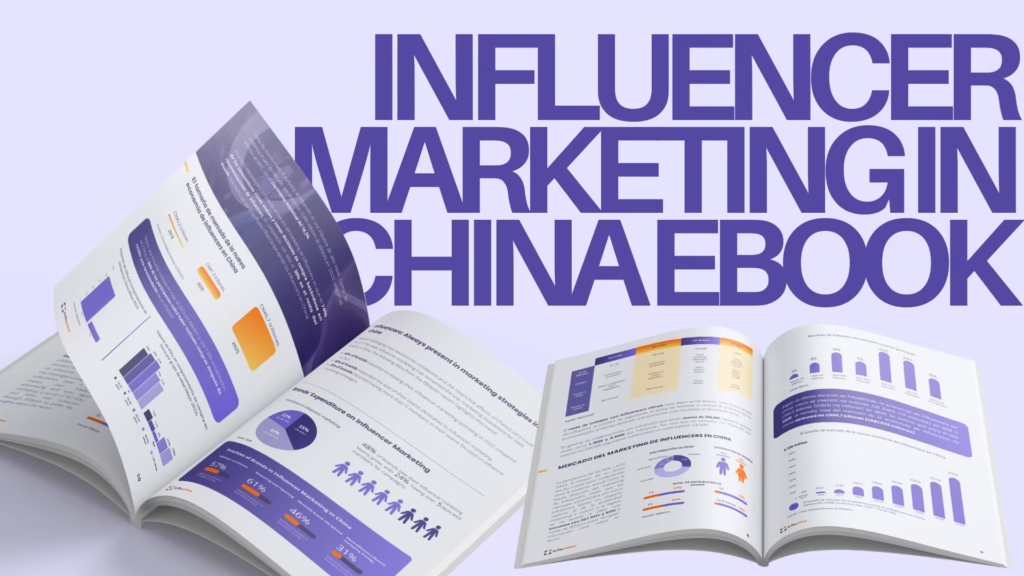
Download our free eBook on influencer marketing in China—packed with platform insights, campaign tips, and real examples to help you get started with confidence.
FAQ
FAQ: Understanding Chinese Social Media Influencers
What are Chinese social media influencers?
Chinese social media influencers, also known as Key Opinion Leaders (KOLs), are individuals who create engaging content on platforms like Douyin, WeChat, and Xiaohongshu. They influence consumer decisions through authentic product reviews, storytelling, and cultural alignment.
Why are Chinese influencers important for marketing?
Chinese influencers have a deep connection with their followers, offering relatability and trust. They are more effective than traditional ads because their recommendations feel authentic and resonate with local culture.
Which platforms are best for influencer marketing in China?
Top platforms for influencer marketing in China include Douyin, Xiaohongshu, WeChat, Zhihu, Weibo, and Bilibili. Each platform caters to specific audiences and industries, making it essential to choose based on your brand’s goals.
How can brands collaborate with Chinese social media influencers?
Brands can collaborate by identifying influencers aligned with their target audience, defining clear campaign goals, creating compelling content, and monitoring performance through engagement metrics.
What types of Chinese influencers exist?
There are five main types:
- Key Opinion Consumers (KOCs): Small-scale, highly trusted influencers.
- Nano Influencers: Niche-focused influencers with personalized interactions.
- Micro Influencers: Mid-sized audiences with strong engagement.
- Macro Influencers: Large reach, recognized as experts.
- Mega Influencers: Celebrity-level influencers with mass appeal.
Why is influencer marketing more effective than brand-owned accounts?
Consumers trust recommendations from influencers more than direct communication from brands. Influencers add authenticity and relatability, which increases engagement and conversion rates.
What makes Chinese influencers different from Western influencers?
Chinese influencers integrate entertainment, education, and e-commerce. They don’t just endorse products — they sell through live streams, storytelling, and social-commerce integrations that turn attention into real sales.
What’s the difference between KOLs and KOCs?
KOLs (Key Opinion Leaders) are well-known influencers with large followings who build brand awareness.
KOCs (Key Opinion Consumers) are everyday users with smaller audiences whose personal recommendations feel authentic and relatable — ideal for driving conversions.
What are the most common mistakes when working with Chinese influencers?
Common pitfalls include reusing Western content, choosing influencers based only on follower count, skipping localization, and neglecting contracts.
Tailor every campaign to Chinese audiences and platforms for best results.
